

Expert insights on Vinylboden Vorteile: durable, water-resistant, easy to maintain. A smart choice for various settings, offering practical value.
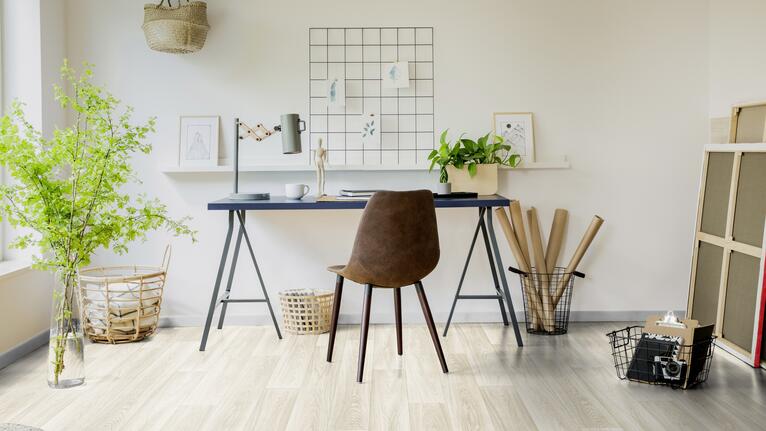
From years spent specifying and overseeing flooring installations, I’ve seen firsthand how crucial material selection is for a project’s success. Clients frequently seek a balance of aesthetics, performance, and cost-effectiveness. Among the vast array of options, vinyl flooring, or Vinylboden Vorteile, has solidified its position as a go-to solution for many residential and commercial spaces. Its evolution has been remarkable, moving beyond simple sheet vinyl to sophisticated luxury vinyl planks (LVP) and tiles (LVT) that mimic natural materials with impressive realism. Understanding its true strengths requires looking past surface impressions and into its structural benefits and long-term value.
Overview
- Vinyl flooring offers exceptional durability, standing up to heavy foot traffic and daily wear effectively.
- Its superior water resistance makes it ideal for kitchens, bathrooms, and basements, preventing moisture damage.
- Maintenance is straightforward, typically requiring only regular sweeping and damp mopping.
- A wide range of design options, including wood and stone aesthetics, allows for versatile interior styling.
- Comfort underfoot and sound dampening properties contribute to a more pleasant indoor environment.
- Installation can be quicker and less disruptive than traditional hard surface materials, depending on the type.
- It represents a cost-effective flooring solution, providing high value without exorbitant expenses.
Understanding the Core Vinylboden Vorteile
When clients ask about flooring that genuinely performs, I often highlight the fundamental Vinylboden Vorteile. Foremost among these is its remarkable durability. Modern vinyl flooring is constructed in layers, often featuring a robust wear layer that resists scratches, dents, and scuffs. In busy households or commercial settings, this resilience translates directly into a longer lifespan for the floor, reducing the need for frequent replacement or costly repairs. From bustling family homes to high-traffic retail stores in the US, I’ve observed LVT and LVP performing consistently well under demanding conditions. This resistance to wear is a primary reason for its popularity.
Another significant benefit is its inherent water resistance. Unlike wood, which can warp, or carpet, which can stain and harbor mold, many vinyl products are completely waterproof. This attribute makes them an excellent choice for moisture-prone areas like bathrooms, kitchens, laundry rooms, and basements. In my professional capacity, I’ve advised countless homeowners struggling with damp basements to install vinyl, as it mitigates concerns about humidity and accidental spills. This protection against moisture contributes substantially to the overall longevity of the flooring, safeguarding the subfloor underneath and preventing costly structural issues. The ease of cleaning also stems from this water resistance; spills simply wipe away without leaving lasting marks.
Practical Applications and Longevity: A Look at Vinylboden Vorteile in Real-World Settings
The real-world application of vinyl flooring demonstrates its adaptability across various environments. For busy families, the scuff resistance and easy cleanup of Vinylboden Vorteile are invaluable. Children, pets, and everyday accidents are far less concerning with a surface that can withstand impacts and resist stains. I’ve heard many parents express relief over how simple it is to maintain their vinyl floors, saving them time and stress. This practical resilience makes it a highly functional choice for living areas, playrooms, and hallways where activity levels are high. The ability to endure constant use without showing significant wear is a key factor in its long-term appeal.
Beyond residential use, the commercial sector frequently leverages the robust nature of vinyl. Offices, healthcare facilities, and retail spaces require flooring that can handle significant foot traffic, rolling chairs, and frequent cleaning protocols. Vinyl plank and tile systems excel here, offering a durable, hygienic, and aesthetically pleasing option. The longevity of these installations is impressive; well-maintained vinyl floors can last for decades, providing consistent performance and retaining their appearance. From my experience, choosing a quality vinyl product with a thick wear layer is a wise investment that pays off through extended service life and reduced maintenance budgets.
Installation and Upkeep
The process of installing vinyl flooring has become incredibly accessible, largely due to advancements in product design. Many modern LVP and LVT products feature click-lock systems that allow for floating installations, making them suitable for DIY enthusiasts and professional installers alike. This method often eliminates the need for messy adhesives, speeding up the project timeline and reducing labor costs. From a contractor’s perspective, this efficiency is a major plus, allowing for quicker project turnover. The flexibility of vinyl also means it can be installed over various existing subfloors, provided they are clean, dry, and level. This adaptability minimizes extensive subfloor preparation, another cost and time saving aspect.
Maintaining vinyl flooring is remarkably straightforward, contributing significantly to its overall appeal. Regular sweeping or vacuuming removes loose dirt and debris, preventing scratches. For deeper cleaning, a damp mop with a mild cleaner is usually sufficient. Unlike natural wood, vinyl does not require waxing, polishing, or special sealants. This low-maintenance aspect is one of the most frequently cited benefits by my clients. It frees up time and eliminates the expense of specialized cleaning products or services, making it a budget-friendly option over the long term. This ease of care ensures the floor retains its appearance with minimal effort.
Aesthetic Versatility and Comfort
The aesthetic appeal of vinyl flooring has truly evolved, making it a strong competitor to natural materials. Modern manufacturing techniques allow for highly realistic reproductions of wood grains, stone textures, and even abstract patterns. Homeowners and designers can select from an extensive palette of colors, finishes, and styles that perfectly complement any interior design scheme, from rustic farmhouse to sleek contemporary. The visual fidelity of these products is often indistinguishable from their natural counterparts, offering the desired look without the associated drawbacks of maintenance or cost. This design flexibility ensures that aesthetic preferences do not have to be sacrificed for practical performance.
Beyond its visual attributes, vinyl flooring also offers a degree of comfort underfoot that many harder surfaces lack. The inherent flexibility and layered construction provide a slight cushion, making it more comfortable to stand on for extended periods compared to ceramic tile or concrete. This subtle give can reduce fatigue in kitchens or workstations. Furthermore, vinyl possesses sound-dampening qualities. It helps to absorb impact noise, contributing to a quieter and more peaceful environment within a home or office. This acoustic benefit is often overlooked but plays a crucial role in creating a comfortable and functional living or working space.