

Real-world strategies for implementing Smart Factory Konzepte effectively. Learn practical steps to achieve operational excellence in manufacturing today.
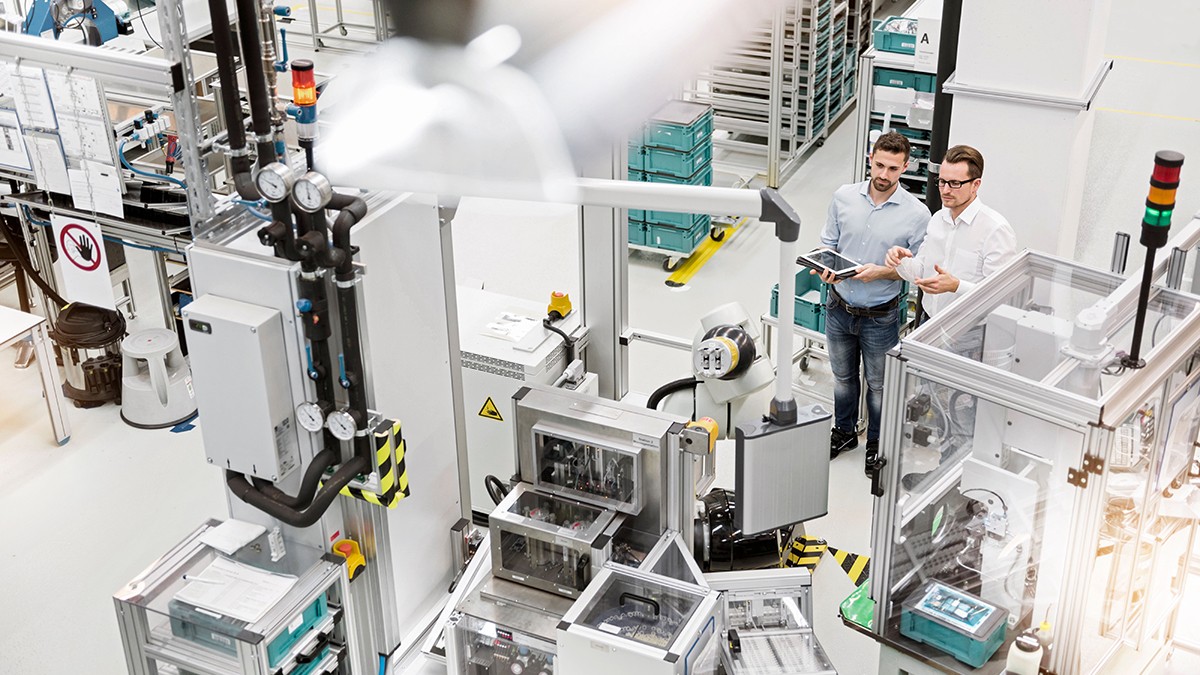
Implementing modern manufacturing approaches requires more than just technology adoption; it demands a fundamental shift in operational philosophy. From my experience working with manufacturers across diverse sectors, successful integration of advanced systems hinges on a clear strategy and a pragmatic understanding of both the opportunities and the inherent complexities. It’s about building a resilient, data-driven production environment that can adapt to rapid market changes and consumer demands.
Overview:
- Effective Smart Factory Konzepte begin with a clear business case and defined objectives.
- Data integrity and connectivity are foundational, requiring robust IT/OT convergence.
- Pilot projects are crucial for validation and iterative refinement before full-scale deployment.
- Workforce upskilling and change management are vital for human-technology collaboration.
- Cybersecurity must be embedded from the outset, protecting critical operational technology.
- Measurable KPIs are essential to track progress and demonstrate ROI from smart factory investments.
- Scalability and interoperability are key considerations for future expansion and integration.
The Foundation of Smart Factory Konzepte
Successful implementation of Smart Factory Konzepte starts long before any technology is deployed. It requires a clear vision aligned with core business objectives. We often advise companies to first identify their most pressing pain points: Are they struggling with production downtime, quality control issues, or inefficient resource allocation? Defining these challenges helps to scope the initial smart factory initiatives. For instance, a manufacturer might aim to reduce machine breakdowns by 15% within a year using predictive maintenance. This specificity guides technology choices and resource allocation. It’s not about installing every new gadget, but rather strategically applying digital tools where they yield the most impact. This approach ensures that investments are purposeful and directly contribute to measurable improvements.
Realizing Value Through Integrated Smart Factory Konzepte
The true value in Smart Factory Konzepte comes from the integration of disparate systems. Individual smart machines offer benefits, but a connected ecosystem yields exponential gains. Think of a production line where sensors on machines report real-time performance data to a central platform. This data can then feed into AI algorithms that predict potential equipment failures before they occur, triggering maintenance alerts. We’ve seen this prevent costly stoppages and extend equipment lifespan significantly. Furthermore, this integration extends to supply chain management, allowing for dynamic adjustments in production schedules based on material availability or sudden shifts in customer orders. Such interconnectedness fosters agility, a critical trait for modern manufacturing in regions like the US. It moves factories beyond mere automation towards true autonomous operation, driven by intelligent data flows.
Leveraging Data for Operational Excellence
At the heart of any effective smart factory is data. The sheer volume of information generated by connected sensors, machines, and systems offers unprecedented insights into every aspect of operations. However, raw data alone isn’t enough; it needs to be processed, analyzed, and visualized in an actionable way. My experience shows that the ability to turn data into intelligence is a key differentiator. This intelligence can optimize energy consumption, refine production parameters for higher quality output, or even inform product design improvements. For example, by analyzing patterns in defect rates against machine settings, a factory can identify optimal operating conditions. This continuous feedback loop, powered by data analytics, drives continuous improvement and allows for proactive decision-making rather than reactive problem-solving. It moves manufacturing from gut-feel to data-backed certainty.
Challenges and Overcoming Hurdles in Implementing Smart Factory Konzepte
Implementing Smart Factory Konzepte is not without its obstacles. One common challenge is integrating legacy systems with new digital platforms. Many existing factories operate with older machinery lacking modern connectivity. Bridging this gap often requires careful planning, specialized hardware, and middleware solutions. Another significant hurdle is cybersecurity. As factories become more connected, they also become more vulnerable to cyber threats. Protecting operational technology (OT) systems from breaches is paramount to prevent disruption and data theft. From our work, we emphasize a security-first mindset, embedding robust cyber defenses from the initial planning stages. Finally, workforce readiness poses a challenge. Employees need training in new technologies, data literacy, and collaborative work models. A structured change management program is essential to gain employee buy-in and ensure a smooth transition, addressing concerns and fostering a culture of innovation.